How to Choose the Right Farm Equipment
Choosing the right farm equipment is crucial for maximizing productivity and efficiency on your farm. With a wide range of options available, it can be overwhelming to determine which tools and machines will best meet your needs. This guide will help you navigate the selection process, ensuring you make informed decisions that will benefit your farming operations.

Understanding Your Farming Needs
Before diving into specific equipment options, it's essential to assess your farming needs. Consider the following factors:
Type of Farming
Different types of farming require different equipment. Are you involved in crop production, livestock management, or mixed farming? Each type has unique requirements:
Crop Production: You may need tractors, plows, seeders, and harvesters.
Livestock Management: Equipment like feeders, waterers, and fencing will be essential.
Mixed Farming: A combination of both crop and livestock equipment will be necessary.
Scale of Operations
The size of your farm will significantly influence your equipment choices. A small family farm may benefit from compact, versatile tools, while a large commercial operation may require heavy-duty machinery capable of handling extensive tasks efficiently.
Budget Considerations
Establishing a budget is critical. Equipment can be a significant investment, so consider the following:
New vs. Used: New equipment often comes with warranties and the latest technology, while used equipment can be more affordable but may require more maintenance.
Financing Options: Explore financing options available through banks or equipment dealers to help manage costs.
Key Equipment Categories
Once you have a clear understanding of your needs, you can start exploring specific categories of farm equipment. Here are some essential types to consider:
Tractors
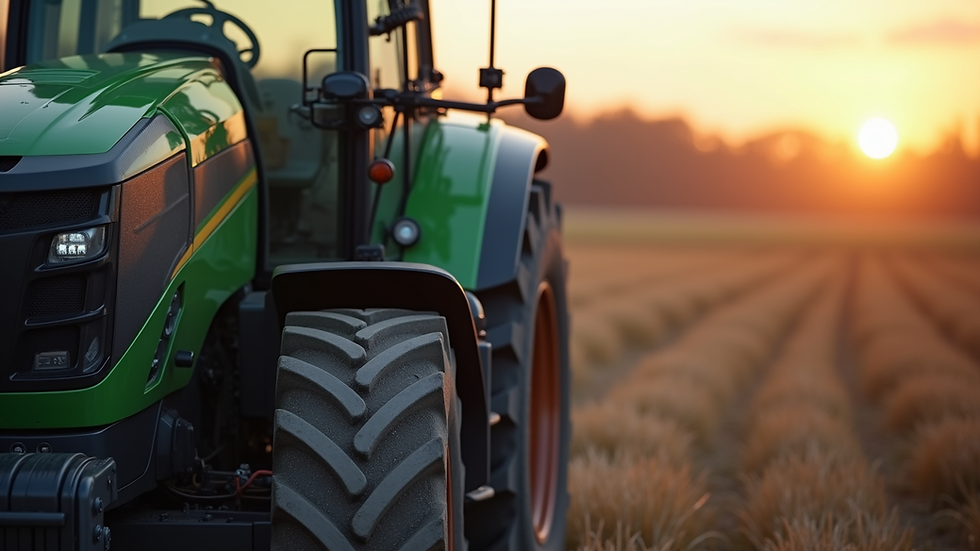
Tractors are the backbone of most farming operations. They come in various sizes and horsepower ratings. When selecting a tractor, consider:
Horsepower: Match the horsepower to the tasks you need to perform. Smaller tractors are suitable for light tasks, while larger ones are necessary for heavy-duty work.
Attachments: Look for tractors that can accommodate various attachments, such as plows, mowers, and loaders, to enhance versatility.
Harvesting Equipment
Harvesting equipment is vital for ensuring that crops are collected efficiently. Depending on your crops, you may need:
Combine Harvesters: Ideal for grain crops, these machines can harvest, thresh, and clean grain in one pass.
Forage Harvesters: Used for cutting and chopping forage crops, these are essential for livestock feed.
Planting and Seeding Equipment
Proper planting and seeding equipment can significantly impact crop yields. Consider:
Seed Drills: These machines ensure even seed distribution and proper planting depth.
Planters: For larger operations, planters can plant seeds in rows at specific intervals, improving crop spacing.
Tillage Equipment
Tillage equipment prepares the soil for planting. Key options include:
Plows: Used to turn over the soil, plows help incorporate organic matter and control weeds.
Cultivators: These tools break up soil and control weeds without disturbing the entire soil structure.
Livestock Equipment
If you manage livestock, specific equipment will be necessary:
Feeders and Waterers: Ensure your animals have access to food and water at all times.
Fencing: Proper fencing is crucial for keeping livestock contained and safe.
Evaluating Equipment Features
When selecting farm equipment, pay attention to specific features that can enhance performance and usability:
Fuel Efficiency
With rising fuel costs, choosing equipment that offers better fuel efficiency can lead to significant savings over time. Look for models that are designed to consume less fuel while maintaining performance.
Maintenance Requirements
Consider the maintenance needs of the equipment. Some machines may require more frequent servicing, which can add to your overall costs. Research the manufacturer's recommendations and user reviews to gauge reliability.
Technology Integration
Modern farm equipment often comes equipped with advanced technology, such as GPS and precision farming tools. These features can improve efficiency and yield. Evaluate whether these technologies align with your farming goals.
Researching Brands and Models
Once you have a clear understanding of your needs and the types of equipment available, it's time to research specific brands and models. Here are some tips:
Read Reviews
Look for reviews from other farmers who have used the equipment you are considering. Websites, forums, and social media groups can provide valuable insights into performance and reliability.
Attend Farm Shows
Farm shows and expos are excellent opportunities to see equipment in action. You can compare different brands, ask questions, and even negotiate prices with dealers.
Consult with Experts
Don’t hesitate to reach out to agricultural extension services or equipment dealers for advice. They can provide insights based on your specific farming situation and help you make informed decisions.
Making the Purchase
After thorough research and evaluation, you are ready to make a purchase. Here are some steps to follow:
Compare Prices
Get quotes from multiple dealers to ensure you are getting the best price. Don’t forget to factor in delivery costs and any additional fees.
Negotiate
Don’t be afraid to negotiate the price. Dealers often have some flexibility, especially if you are purchasing multiple pieces of equipment.
Review Warranties
Before finalizing your purchase, carefully review the warranty terms. A good warranty can provide peace of mind and protect your investment.
Training and Safety
Once you have acquired your equipment, proper training and safety measures are essential:
Operator Training
Ensure that all operators are trained on how to use the equipment safely and effectively. This can prevent accidents and equipment damage.
Safety Gear
Invest in appropriate safety gear for operators, including helmets, gloves, and protective eyewear. Safety should always be a priority on the farm.
Conclusion
Choosing the right farm equipment is a critical decision that can impact your productivity and efficiency. By understanding your farming needs, evaluating different equipment categories, and conducting thorough research, you can make informed choices that will benefit your operations for years to come. Remember to prioritize safety and training to maximize the effectiveness of your new equipment. Take the time to invest in the right tools, and you will reap the rewards in your farming endeavors.

Comments