Maximizing Your Yield with Advanced Farming Tools
Farming has evolved significantly over the years, and with the advent of advanced technology, farmers now have access to tools that can dramatically increase their yield. In a world where food demand is rising, maximizing yield is not just beneficial; it is essential. This blog post will explore various advanced farming tools and techniques that can help farmers enhance productivity, improve efficiency, and ultimately increase their yield.

Understanding the Importance of Yield Maximization
Yield maximization is crucial for several reasons:
Food Security: As the global population continues to grow, the demand for food increases. Maximizing yield ensures that there is enough food to meet this demand.
Economic Viability: Higher yields can lead to increased profits for farmers, allowing them to invest in their operations and improve their quality of life.
Sustainable Practices: By using advanced tools, farmers can adopt more sustainable practices, reducing waste and environmental impact.
Advanced Farming Tools
Precision Agriculture
Precision agriculture involves using technology to monitor and manage field variability in crops. This approach allows farmers to apply inputs like water, fertilizers, and pesticides more efficiently.
GPS Technology: Global Positioning System (GPS) technology helps farmers map their fields accurately. This allows for precise planting and application of inputs, reducing waste and increasing yield.
Drones: Drones equipped with cameras and sensors can provide real-time data on crop health, soil conditions, and pest infestations. This information helps farmers make informed decisions about their crops.
Soil Sensors
Soil sensors are essential for understanding the health of the soil. They provide data on moisture levels, nutrient content, and pH levels, allowing farmers to optimize their inputs.
Moisture Sensors: These sensors help farmers determine when to irrigate, ensuring that crops receive the right amount of water without overwatering.
Nutrient Sensors: By measuring nutrient levels in the soil, farmers can apply fertilizers more effectively, reducing costs and environmental impact.
Automated Machinery
Automation in farming has revolutionized the way tasks are performed. From planting to harvesting, automated machinery can significantly increase efficiency.
Robotic Harvesters: These machines can harvest crops faster and with greater precision than human laborers. This not only saves time but also reduces labor costs.
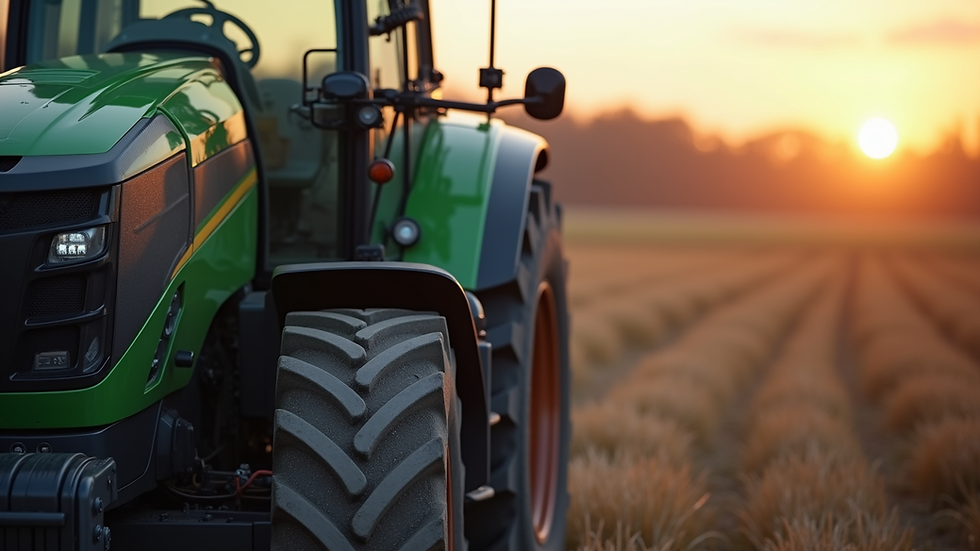
Autonomous Tractors: Equipped with GPS and sensors, autonomous tractors can perform tasks like plowing and planting without human intervention, allowing farmers to focus on other important aspects of their operations.
Data Management and Analytics
In the age of information, data management is crucial for maximizing yield. Farmers can use data analytics to make informed decisions based on real-time information.
Farm Management Software: This software helps farmers track their operations, manage resources, and analyze data to improve productivity.
Yield Mapping: By analyzing yield data from previous seasons, farmers can identify trends and make adjustments to improve future yields.
Sustainable Practices
Incorporating sustainable practices into farming not only helps the environment but can also lead to higher yields.
Crop Rotation: Rotating crops helps maintain soil health and reduces pest infestations. This practice can lead to better yields over time.
Cover Crops: Planting cover crops during the off-season can improve soil health and prevent erosion, leading to better yields in subsequent planting seasons.
Case Studies
Case Study 1: Precision Agriculture in Action
A farmer in Iowa implemented precision agriculture techniques by using GPS technology and soil sensors. By mapping his fields and monitoring soil health, he was able to reduce fertilizer use by 30% while increasing his corn yield by 15%. This case illustrates how advanced tools can lead to significant improvements in both yield and sustainability.
Case Study 2: Automation Boosting Efficiency
In California, a vineyard adopted robotic harvesters to streamline their operations. The robots were able to harvest grapes faster than human workers, reducing labor costs by 40%. As a result, the vineyard not only increased its yield but also improved the quality of its wine due to the precision of the robotic harvesters.
Challenges and Considerations
While advanced farming tools offer numerous benefits, there are challenges that farmers must consider:
Initial Investment: The cost of advanced technology can be high, and farmers may need to secure financing to invest in these tools.
Training and Education: Farmers must be trained to use new technologies effectively. This may require time and resources that some farmers may not have.
Data Privacy: With the increasing use of data analytics, farmers must be aware of data privacy issues and ensure that their information is protected.
Conclusion
Maximizing yield with advanced farming tools is not just a trend; it is a necessity in today’s agricultural landscape. By adopting precision agriculture, utilizing soil sensors, automating machinery, and leveraging data analytics, farmers can significantly improve their productivity and sustainability. As the demand for food continues to rise, embracing these advanced tools will be crucial for ensuring food security and economic viability in the farming industry.
Farmers should take the next step by exploring these technologies and considering how they can be integrated into their operations. The future of farming is bright, and with the right tools, the potential for increased yield is limitless.

Comments